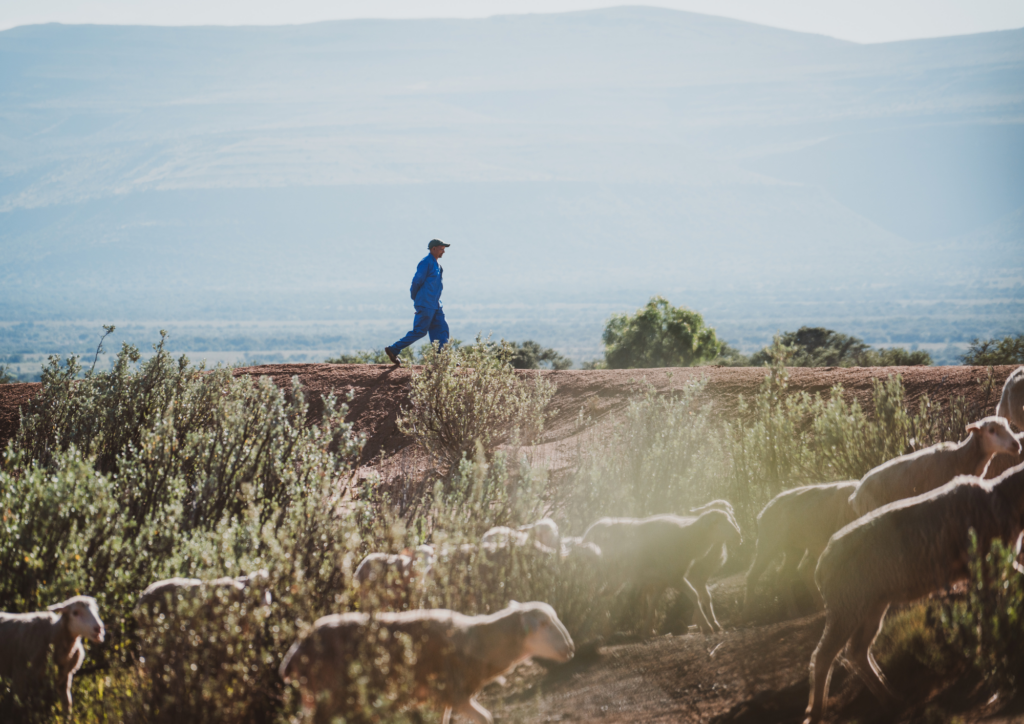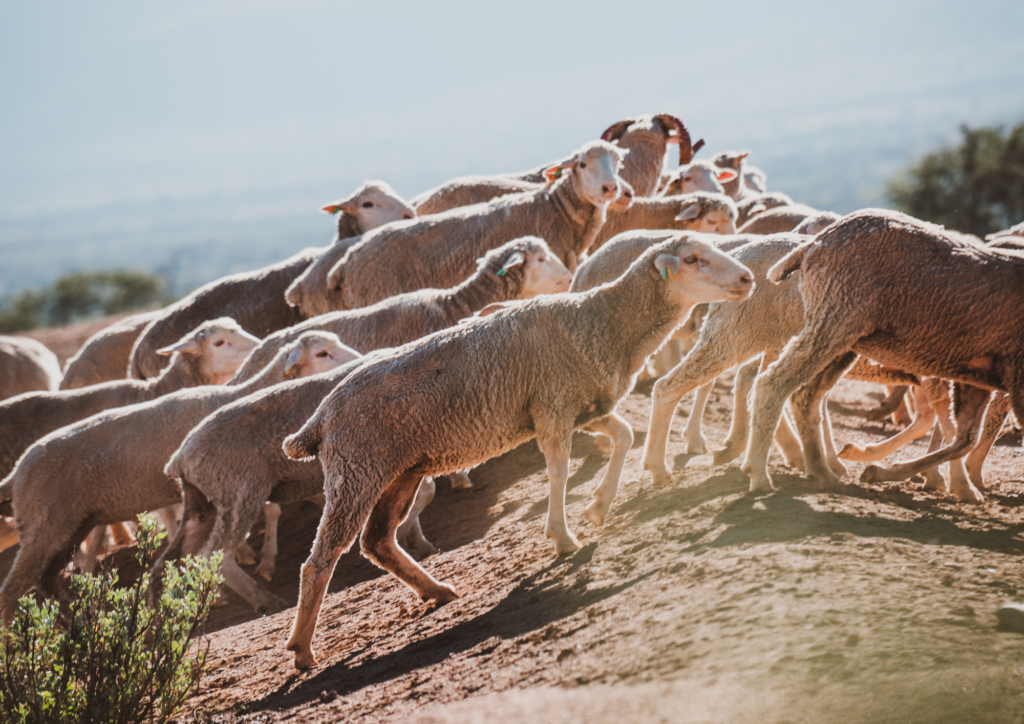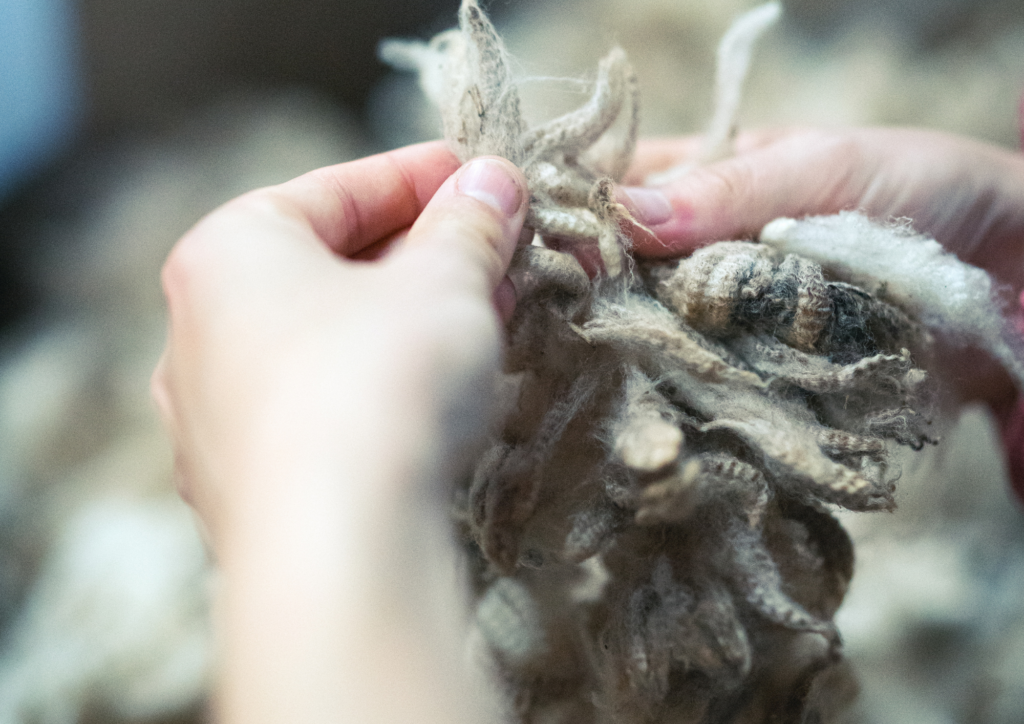

Since 1846, Segard Masurel has been committed to supporting sheep farmers around the world, promoting wool and protecting the lands from which it is born. In South Africa, where Segard Masurel is established, climate and environmental challenges are particularly significant. To address these issues, we developed Abelusi Plus, an innovative program that guides farmers toward regenerative practices inspired by Allan Savory’s holistic management.
This approach offers a new way to reconcile wool production, soil health, and economic resilience.
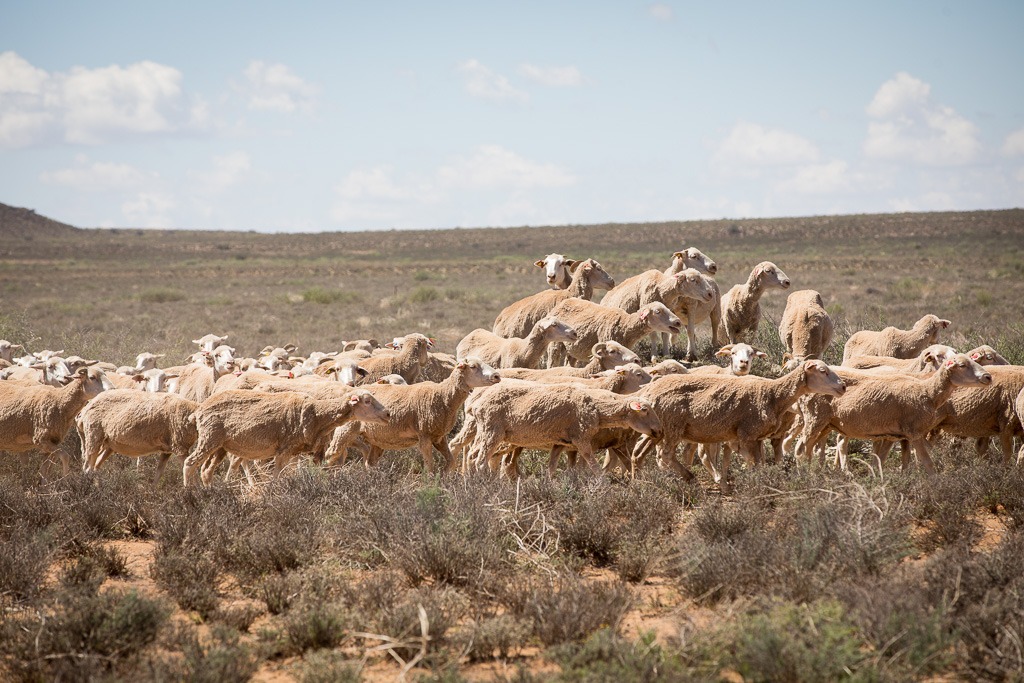
Desertification: A Central Challenge for Livestock Regions
In the arid and semi-arid zones of South Africa, desertification has been advancing for several decades. Today, it affects millions of hectares, weakening farms and threatening the livelihoods of rural communities. According to Allan Savory, this land degradation is an even more urgent issue than climate change: once soil loses its vegetative cover, it no longer absorbs water, releases carbon, and enters a vicious cycle of drought and impoverishment.
For Segard Masurel, historically rooted in partnerships with South African farmers, providing practical solutions that match their economic realities is essential.
Allan Savory’s Approach: Reintroducing Natural Dynamics
Allan Savory’s ideas challenge conventional thinking. Contrary to the prevailing belief that desertification was caused by excessive livestock numbers, he shows that it is actually the absence—or the poor management—of herds that destabilizes dry ecosystems.
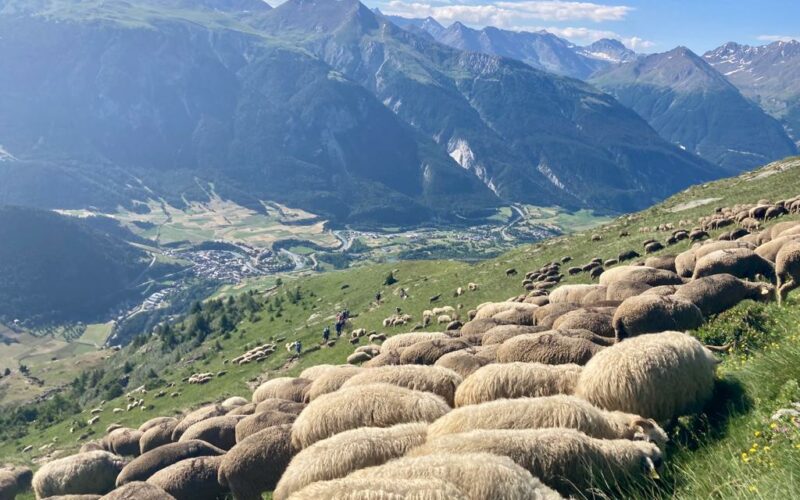
In nature, large herbivores move in dense herds. Their quick passage—combining trampling, dung, and saliva—stimulates the soil’s biological cycle. It is not their numbers that create problems, but their immobility. When animals remain in the same place for too long, the soil becomes depleted; when they disappear entirely, it becomes stagnant and impoverished.
Holistic management therefore consists of grouping herds together and carefully planning their movements to mimic these natural migrations. Farms that adopt this method often observe, within a few years, a striking restoration of vegetation, improved water infiltration, and a return of biodiversity. Today, more than 15 million hectares worldwide are successfully managed according to these principles.
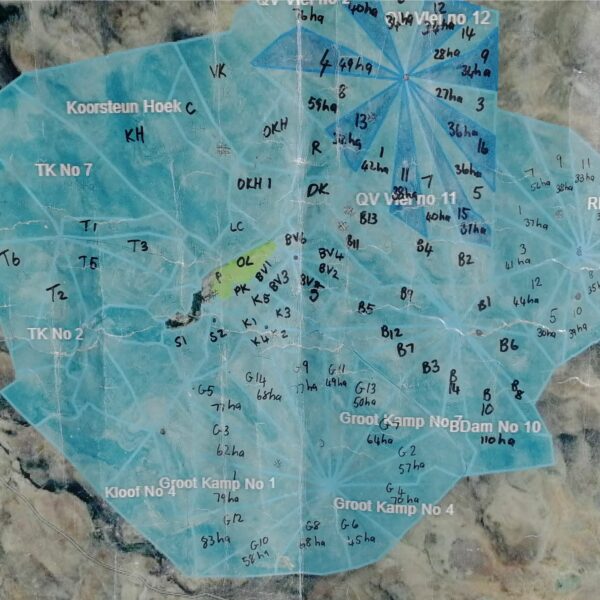
Abelusi Plus: Supporting the Regenerative Transition
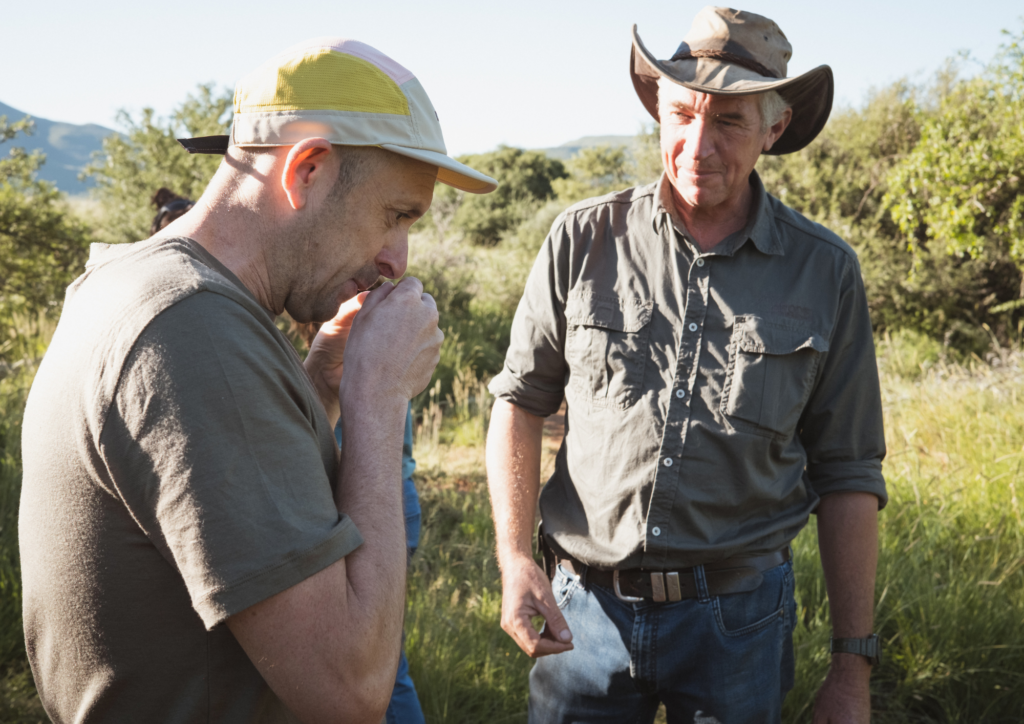
The Abelusi Plus program was born from Segard Masurel’s ambition to integrate regenerative practices into the wool value chain. It is based on both technical and human support for South African farmers, including:
training in holistic management and grazing planning;
• individual farm monitoring to adapt practices to local conditions;
• assessment of environmental and social progress;
• commercial promotion of wool produced using these methods.
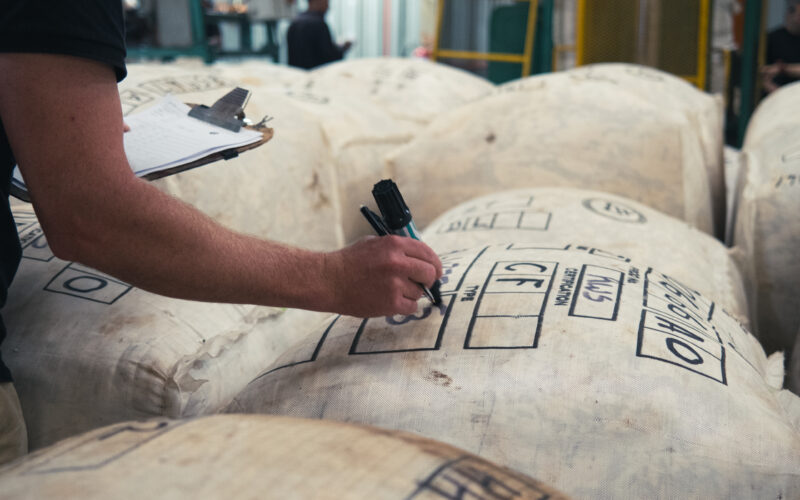
Thanks to this approach, farmers observe improved land productivity, greater resilience to extreme climate events, and overall better health in their flocks. For its part, Segard Masurel ensures enhanced traceability and promotes this regenerative wool to international brands.
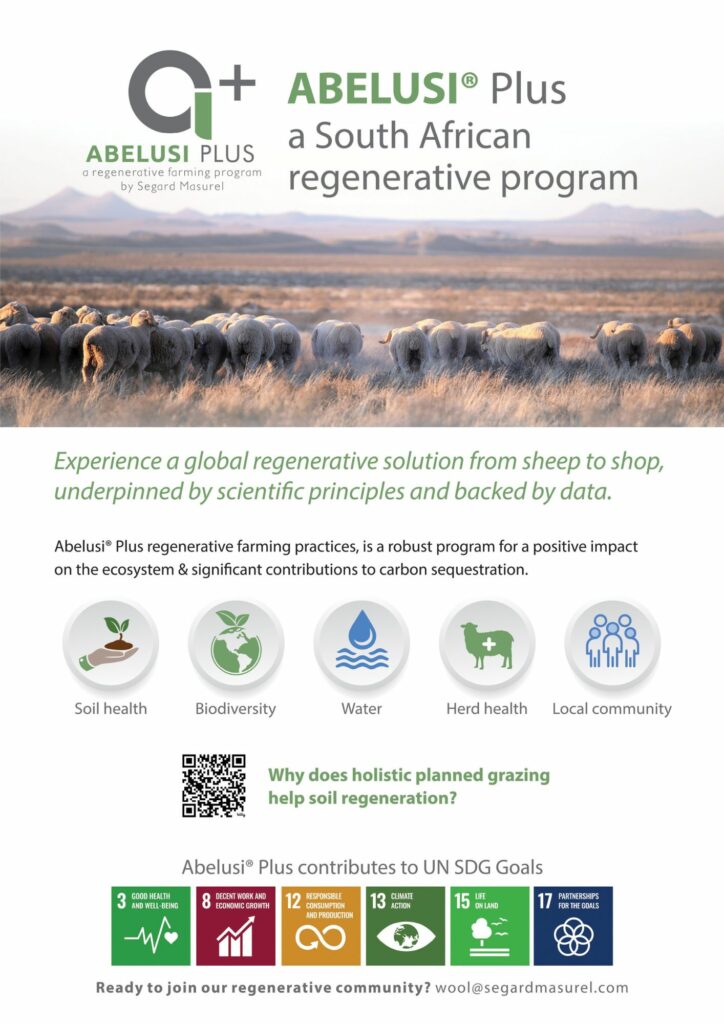
Wool That Heals the Land and Supports Communities
The wool produced under the Abelusi Plus program is not only a high-quality natural fiber: it also reflects a farming model that restores landscapes, supports rural communities, and shapes the future of the textile industry.
Through this initiative, Segard Masurel strengthens its role as a key player in a more sustainable sector, creating a direct connection between consumer expectations, brand commitments, and the ecological transformation of livestock regions.